
Skin Rejuvenation for Pigmentation: A Clinical Guide

Your foundation isn't failing you; your skin is simply asking for a deeper, clinical level of care. You've likely spent years trying to hide stubborn sunspots under layers of makeup, only to find they're still peeking through by lunchtime. It's frustrating when your reflection doesn't match the vibrant energy you feel inside. Many of our clients in Paddington share this sentiment, feeling as though uneven patches are adding years to their appearance. Achieving effective skin rejuvenation for pigmentation isn't about finding a magic eraser; it's about a sophisticated, clinical correction that respects your unique skin barrier.
We understand the confusion that comes with choosing the right path, especially when you're worried about whether a treatment is safe for your specific skin type. This guide helps you examine the most effective clinical solutions, from the precision of IPL to the innovative power of SQT bio microneedling. You'll discover how a tailored approach can safely fade discolouration and restore a luminous, healthy glow. We'll explore how professional treatments combined with expert at-home care can transition your skin from dull and uneven to clear and radiant for the long term.
Key Takeaways
- Understand that pigmentation is a complex biological response, meaning true correction happens at a cellular level rather than through harsh physical exfoliation.
- Discover how advanced skin rejuvenation for pigmentation uses targeted light and needling technologies to safely fade sunspots while protecting your skin's delicate barrier.
- Learn the importance of "priming" your skin with specific clinical ingredients before treatment to ensure a safe, even result without the risk of post-treatment darkening.
- Identify why the first 48 hours are critical for recovery, including why you'll need to skip the gym and hot showers to keep your complexion calm.
- Gain clarity on why a personalised consultation is vital for matching the right clinical treatment to your unique skin history and goals.
What is Skin Rejuvenation for Pigmentation?
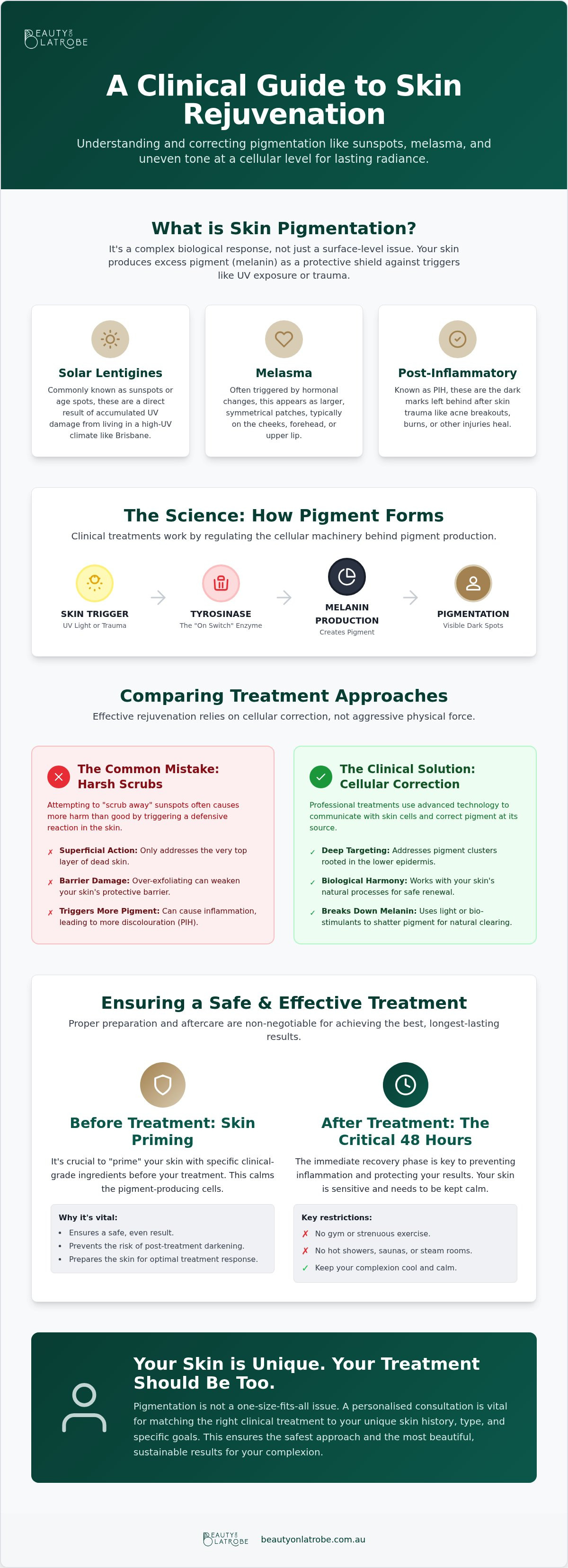
Skin rejuvenation for pigmentation is far more than a simple cosmetic fix. It's a sophisticated biological process that focuses on renewing skin cells while simultaneously calming the overactive production of melanin. While many people view dark patches as a surface-level nuisance, they're actually a complex response to internal or external triggers. When your skin perceives a threat, whether that's intense UV exposure or physical trauma, it reacts by producing excess pigment as a protective shield.
Effective clinical rejuvenation aims to create an even, luminous tone and refined texture. It's not just about fading a single spot; it's about restoring the overall health and vitality of your complexion. We commonly treat several distinct forms of discolouration:
- Solar lentigines: More commonly known as sunspots or age spots, these are caused by direct UV damage.
- Melasma: Often hormonal in nature, this appears as larger, symmetrical patches, frequently on the cheeks or forehead.
- Post-inflammatory hyperpigmentation (PIH): The dark marks left behind after acne, a burn, or other skin injuries.
True skin rejuvenation for pigmentation addresses these concerns by encouraging the skin to shed damaged, pigmented cells and replace them with fresh, healthy ones. This creates a smoother surface that reflects light more evenly, resulting in that sought-after radiant glow.
The Role of Melanin and Tyrosinase
Think of melanin as your skin's built-in umbrella. It's a natural pigment designed to protect your DNA from damage. However, this system can become dysregulated, leading to the clusters of colour we see on the surface. To manage this effectively, we must look at the cellular machinery behind the scenes. Tyrosinase is the enzyme responsible for melanin production that clinical treatments seek to inhibit. By regulating this "on switch," we can prevent new pigmentation from forming while we work on clearing existing marks through professional care.
Why Brisbane Skin Requires a Specific Approach
Living in Queensland presents unique challenges for our skin. With a UV index that frequently reaches extreme levels, our skin cells are under constant pressure. In this environment, a heavy-handed or overly aggressive approach can often do more harm than good. If we treat sun-damaged skin too harshly, we risk triggering even more pigment as a defensive reaction. This is why we prioritise a journey of correction over a quick fix.
Clinical skin rejuvenation for pigmentation in a high-UV climate like ours requires a balance of high-performance technology and nurturing support. It's about correcting the damage without causing fresh inflammation. This ensures your results are not only visible but sustainable, giving you a radiant complexion that lasts well beyond your appointment in our Paddington clinic.
How Clinical Treatments Tackle Uneven Skin Tone
Many people attempt to "scrub away" their sunspots at home with harsh exfoliants or grainy scrubs. This approach often does more harm than good. Physical removal only addresses the very top layer of dead skin, whereas pigmentation is deeply rooted in the lower layers of the epidermis. Because pigmentation is a biological response, it cannot be scrubbed away; in fact, over-exfoliating can damage your skin barrier and trigger more discolouration as a defensive reaction. Effective skin rejuvenation for pigmentation relies on cellular correction rather than physical force.
Clinical treatments use light energy or bio-stimulants to communicate with your skin cells. Instead of just removing the surface, these methods target the pigment clusters directly. Light-based therapies work by creating a "shattering" effect, where the energy is absorbed by the dark melanin, breaking it into smaller particles that your body can naturally process and clear. To support this, professional-grade topicals containing brightening agents are often used to suppress further pigment production and maintain a clear, even complexion.
IPL Skin Rejuvenation: The Power of Light
For those looking to address specific sun damage, IPL skin rejuvenation Brisbane offers a highly targeted solution. This technology uses broad-spectrum light to seek out the darker pigment in your skin. Once the light hits a sunspot, it converts to heat, effectively "toasting" the unwanted melanin without harming the surrounding tissue.
Following an IPL session, you'll notice the "coffee ground" effect. This is a positive sign where the targeted pigment darkens, rises to the surface, and eventually flakes away within a week or two. This treatment is ideal for candidates with fairer skin tones who have distinct, well-defined sunspots or freckles. If you aren't sure if your skin is ready, a professional skin analysis at our Paddington boutique can help determine the safest path forward for your complexion.
SQT Bio Microneedling: The New Frontier
While light-based treatments are powerful, they aren't suitable for every skin type or every form of pigmentation. This is where SQT Bio Microneedling represents a significant breakthrough. Often called "liquid microneedling," this treatment uses microscopic sponge spicules that are massaged into the skin. Unlike traditional needling or lasers, it involves no heat and no downtime, making it a safer option for those prone to melasma or heat-sensitive pigmentation.
The magic of SQT lies in its ability to accelerate the skin's natural renewal process. While a typical healthy skin cycle takes about 28 days, SQT compresses this into just 7 days. This rapid turnover forces the skin to shed old, pigmented cells much faster, revealing the fresh, luminous skin underneath. It's a nurturing yet high-performance way to achieve an even tone while respecting the skin's integrity.
Comparing Pigmentation Treatments: Which is Right for You?
Finding the right path for your skin can feel overwhelming. The truth is that "one size fits all" is a myth when it comes to pigmentation correction. Your skin has a unique history, and what worked for a friend might not be the safest choice for your specific complexion. While some treatments offer rapid results, others focus on a slow, steady transformation that preserves the skin's long-term health. Effective skin rejuvenation for pigmentation requires a nuanced understanding of how different technologies interact with your biology.
We believe in a nurturing approach that combines clinical power with skin stability. This might mean starting with gentle infusions to strengthen your barrier before moving to more intensive light therapies. By layering treatments, we ensure your results are not just a quick fix but a sustainable change that keeps your complexion clear and resilient for years to come.
Laser vs. SQT Bio Microneedling vs. Peels
Choosing between these technologies depends on the depth of your pigment and your skin's sensitivity. If you have distinct sunspots and a fairer skin tone, light-based therapies like IPL provide excellent results by targeting the melanin directly. However, melasma is a notable exception; because heat can sometimes worsen hormonal pigment, a heat-free approach like SQT Bio Microneedling is often a safer alternative. This variety is why a treatment for sun damaged skin must be tailored during a professional consultation.
Downtime and sensation also play a role in your decision. While SQT might feel like a mild tingle and result in some light flaking, IPL can feel like a quick snap of a rubber band. Chemical peels offer a different sensation entirely, focusing on dissolving the "glue" between dead skin cells to reveal the brightness beneath. A consultation is the non-negotiable first step to ensure we match the treatment to your lifestyle and skin goals.
Clinical Facials for Gentle Correction
Not every journey toward a clear complexion requires high-intensity machines. Sometimes, a more nurturing approach yields the most stable results. An Ultraceuticals facial Brisbane leverages high-potency Vitamin C and A to brighten the skin and regulate pigment production at a cellular level. These active ingredients work to suppress the "on switch" for melanin that we discussed earlier, making them a perfect partner for more intensive clinical work.
Before diving into deeper corrective steps, we often recommend a Hydrafacial Paddington to detoxify and deeply hydrate the tissue. This ensures your skin barrier is resilient and healthy. In the world of skin rejuvenation for pigmentation, gentle and consistent therapy often beats a "fast and furious" approach that risks inflammation. By prepping the skin properly, we ensure that every subsequent treatment is both safer and more effective.
Preparing Your Skin and Managing Aftercare
Achieving a clear, even complexion through skin rejuvenation for pigmentation is a collaborative effort between your therapist and your daily habits. Think of your clinical appointment as the catalyst for change, while your preparation and aftercare serve as the foundation that keeps those results stable. Without the correct lead-up, your skin may react defensively; without proper protection afterwards, the very pigment we've worked to clear can quickly return. It's about creating an environment where your skin feels safe enough to let go of old damage and embrace a fresh, healthy glow.
In our Paddington clinic, we see the best results when clients treat their skin with a nurturing, long-term mindset. This involves a commitment to specific protocols that suppress pigment production and shield the skin during its most vulnerable phases. By following a structured plan, you ensure your investment leads to a lasting transformation rather than a temporary fix.
The 2-Week Lead-Up: Priming Your Cells
Before we begin any intensive treatment, we focus on "priming" your cells. This involves using high-performance active skincare, specifically Vitamins A and C, to strengthen the barrier and regulate melanin production. We often incorporate tyrosinase inhibitors, which act as a safety switch to keep pigment-producing cells calm during the treatment process. Priming the skin reduces the risk of post-inflammatory hyperpigmentation.
It's equally vital to avoid direct sun exposure for at least 2 to 4 weeks before your session. If your skin is currently dealing with a recent tan, clinical devices can't always distinguish between your natural tan and the target pigmentation, which increases the risk of unwanted side effects. We want your skin to be in its most "quiet" and stable state before we introduce corrective light or needling therapies.
Post-Treatment: Protecting the New Glow
Once your session is complete, your primary goal is to keep your skin cool and protected. We enforce a strict "no heat" rule for the first 24 to 48 hours. This means skipping hot showers, intense gym sessions, and saunas. Heat causes vasodilation, which can trigger an inflammatory response and potentially stimulate more melanin production.
During the initial healing phase, you might experience mild redness or "micro-crusting" as the pigment works its way to the surface. Approaching this period with a skin redness reduction treatment mindset ensures you stay comfortable while your tissue regenerates. In our intense Brisbane climate, SPF 50+ is non-negotiable every single day. To protect your fresh glow, we recommend Jane Iredale Mineral Makeup. These minerals provide a physical UV barrier that allows your skin to breathe and heal while concealing any temporary redness. Ready to start your journey? Book your clinical skin consultation at our boutique today to receive your personalised preparation plan.
Why Personalised Care Matters for Pigmentation Results
Pigmentation is notoriously temperamental. It acts as a biological memory of past sun exposure, hormonal shifts, or skin trauma. Because it's a living, breathing response, it doesn't always react predictably to standard protocols. This is why a rigid, one-size-fits-all approach often falls short. Successful skin rejuvenation for pigmentation requires a therapist who understands your skin's specific history and can pivot the treatment plan as your complexion evolves.
Our philosophy at Beauty on Latrobe centres on achieving high-performance clinical results within a nurturing, boutique environment. We don't believe in aggressive, "fast and furious" treatments that risk long-term damage. Instead, we focus on a journey of correction and stability. By tracking your progress through detailed skin analysis and regular reviews, we can adjust the intensity of our treatments based on how your tissue responds in real time.
Consistency is the secret to a luminous complexion. While a single session can certainly kickstart the process, pigmentation correction is a marathon, not a sprint. Achieving and maintaining an even tone requires a dedicated maintenance programme that balances professional clinical sessions with expert at-home care. This holistic approach ensures your results aren't just a fleeting improvement but a permanent shift in your skin health.
The Boutique Difference in Paddington
There's immense value in seeing the same expert therapist for every appointment. In our Paddington clinic, we prioritise building a relationship with you and your skin. This allows us to notice the subtle changes and nuances that an impersonal, high-volume clinic might miss. Our atmosphere is designed to be a sanctuary where professional skin care feels accessible and deeply personal. We invite you to experience a "skin journey" where you feel empowered and informed at every step, rather than just another booking in a busy schedule.
Your Next Steps to a Brighter Complexion
The path to a clear, radiant glow begins with a single, informed decision. We recommend starting with a comprehensive skin analysis, where we can map out your pigmentation and discuss the best clinical options for your lifestyle. From there, we'll design a tailored roadmap that takes you from your initial priming phase through to your corrective treatments and long-term maintenance.
Remember that your skin is an investment, not an expense. By choosing a personalised path for skin rejuvenation for pigmentation, you're choosing long-term wellness and the self-assurance that comes with a healthy, luminous complexion. We're here to guide you through that transformation with the expertise and care you deserve.
Embrace a Clearer, More Radiant Future
Reclaiming your skin's natural luminosity is a journey that requires both advanced clinical technology and a nurturing, expert touch. You've seen that effective skin rejuvenation for pigmentation isn't about harsh, one-off treatments; it's about a sophisticated process of cellular correction and careful skin priming. By moving away from temporary cover-ups and embracing professional, tailored care, you're investing in the long-term health and vitality of your complexion.
At our boutique Paddington clinic, our expert nurturing therapists are dedicated to guiding you through every step of this transformation. We combine the latest clinical innovations with a personalised approach that respects your skin's unique needs and history. It's time to stop feeling frustrated by uneven patches and start looking forward to a reflection that glows with confidence. Your path to a luminous, even tone is just a conversation away.
Book Your Personalised Pigmentation Consultation at Beauty on Latrobe today to begin your tailored path toward a more even, healthy, and radiant complexion. We can't wait to help you rediscover your most luminous self.
Frequently Asked Questions
Is skin rejuvenation for pigmentation painful?
Most clients describe the sensation as a quick, hot flick of a rubber band. While it isn't exactly a relaxing facial, the discomfort is very brief and manageable. We use integrated cooling techniques to keep you comfortable throughout the session. Any lingering warmth usually fades within an hour or two, much like the feeling of a mild sunburn.
How many sessions will I need to see a difference in my sunspots?
You'll typically notice a visible improvement after just one session, but a series of 3 to 6 treatments is usually recommended for optimal correction. The exact number depends on the depth and age of your pigmentation. During your consultation in Paddington, we'll map out a specific plan to ensure we reach your desired outcome efficiently while maintaining your skin's health.
Can I get pigmentation treatment if I have a naturally darker skin tone?
Yes, you can, but the technology we choose is critical for your safety. While traditional IPL may carry risks for deeper skin tones, SQT Bio Microneedling is an excellent, heat-free alternative. It safely achieves skin rejuvenation for pigmentation without the risk of burning or triggering further discolouration. We always conduct a thorough assessment to ensure the chosen method is perfectly suited to your specific Fitzpatrick skin type.
Will my pigmentation come back after I finish my treatments?
Pigmentation can return if the underlying triggers, like UV exposure, aren't managed. Think of clinical treatments as a way to clear existing damage, while your daily SPF 50+ and active skincare act as your insurance policy. Regular maintenance sessions and strict sun protection are essential to keep your complexion clear and prevent new spots from forming in the future.
What is the difference between laser and IPL for pigmentation?
Laser uses a single, concentrated wavelength of light, whereas IPL (Intense Pulsed Light) uses a broad spectrum of wavelengths. This makes IPL incredibly versatile for treating various types of sun damage and redness simultaneously. While laser is often more pinpointed for specific lesions, IPL is ideal for general skin rejuvenation for pigmentation across larger areas like the face, neck, and décolletage.
Can I wear makeup immediately after a pigmentation treatment?
We recommend waiting at least 24 hours before applying traditional liquid foundations, but Jane Iredale Mineral Makeup is a safe exception. Because it's a clean, physical mineral formula, it allows your skin to breathe and heal while providing necessary UV protection. It's the perfect way to conceal any temporary redness or micro-crusting without clogging your pores or irritating the treated area.
How much downtime should I expect after an SQT Bio Microneedling session?
Downtime is minimal, but you can expect some light flaking between days 3 and 5. Your skin might feel a bit dry or tight, similar to a mild windburn, immediately after the treatment. Most clients find they can return to their normal activities right away, provided they avoid intense heat and stay diligent with their prescribed aftercare and sun protection.
Is melasma treated the same way as regular sun damage?
No, melasma requires a much more cautious, low-heat approach. Because melasma is often triggered by heat and hormones, aggressive laser or IPL treatments can actually make the patches darker. We typically recommend heat-free options like SQT Bio Microneedling or specific clinical peels to gently regulate pigment production without stressing the skin, ensuring a safer and more stable result for this complex condition.
Related Posts
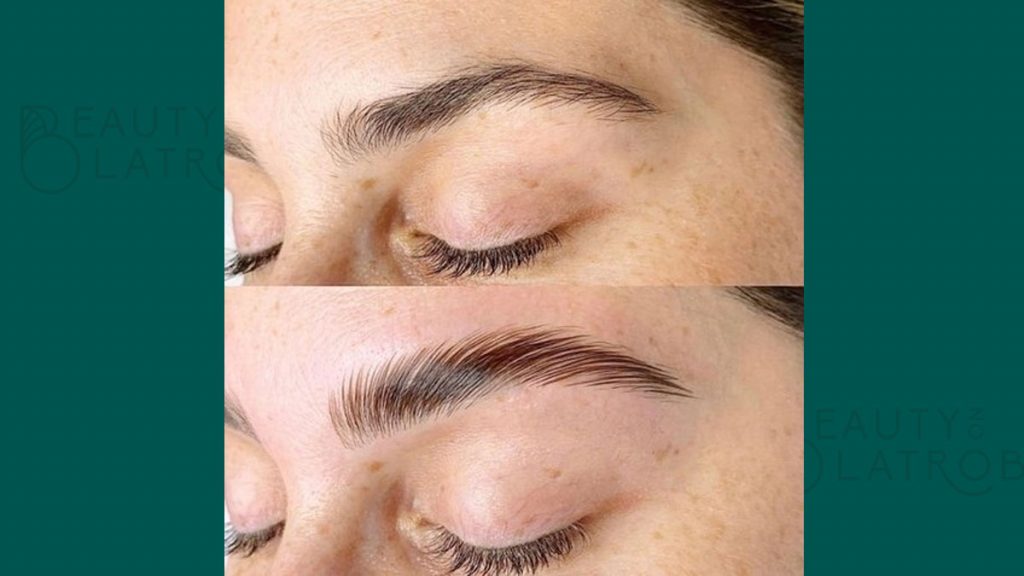
Perfect Brows: Brow Lamination at Beauty On Latrobe
Have you ever dreamt of waking up without the hassle of tidying...
Read the post

Skin Concerns? Could It Be Coming from Your...
Your skin and your gut have quite the symbiotic relationship, what happens...
Read the post

New at Beauty on Latrobe: Murad Retinol Booster...
Are you looking to achieve a radiant, glowing complexion while simultaneously nourishing...
Read the post